


Release time:2024-01-10 Browsed0 order
Application Region: Australia
Industry: Smart Cities · Municipal Waste Management · Waste Bin Tracking · Collection Verification · Fleet Optimization
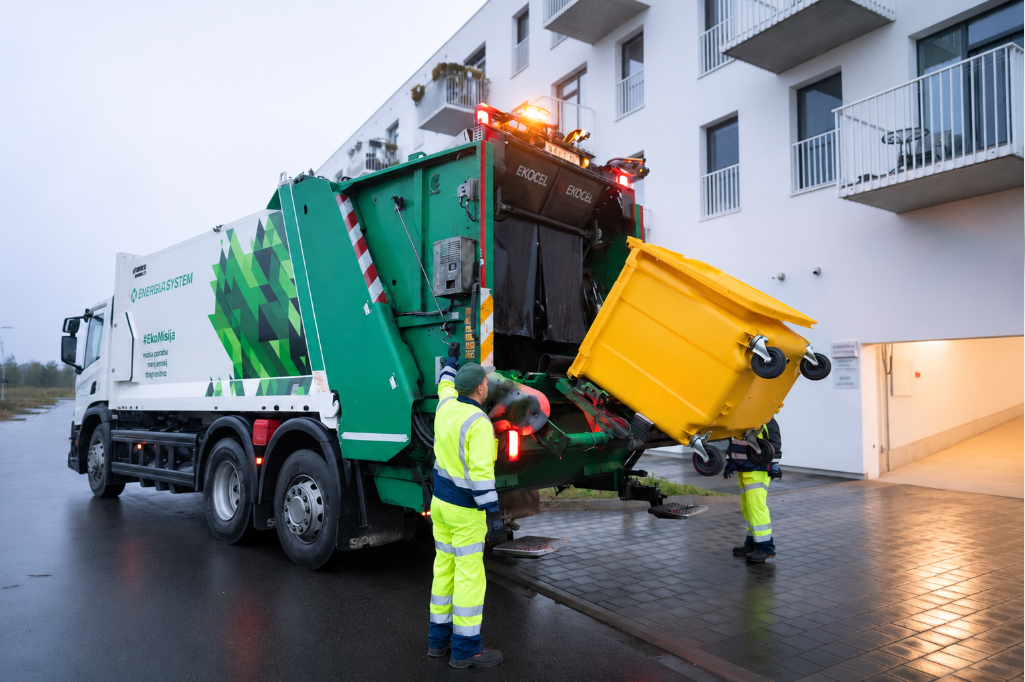
Municipal waste collection in Australia covers residential communities, commercial districts, public spaces, and large event venues.
Waste management operators must not only complete routine collections but also adjust bin deployment and vehicle schedules
according to changing operational demands.
Traditional waste collection operations typically rely on fixed routes, vehicle GPS tracking, and manual service records. While these
methods provide visibility into vehicle movements, several operational challenges remain:
1.Limited collection visibility: A truck passing a waste bin does not necessarily mean the bin has been emptied.
2.Manual service verification: Drivers or operators may need to record completed collections manually, increasing administrative
workload and the risk of missing records.
3.Temporary bin management: Large public events often require additional waste bins that must be registered, deployed,
collected, and retrieved efficiently.
4.Inflexible fleet scheduling: Sudden increases in waste collection demand can make it difficult to monitor progress and
allocate vehicles effectively.
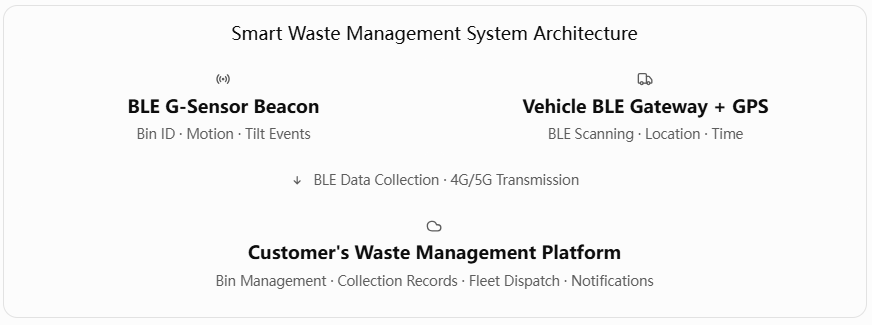
To address these challenges, the proposed solution integrates BLE G-Sensor Beacons, vehicle-mounted BLE gateways,
GPS tracking, and an existing waste management platform.
This architecture enables automatic bin identification, collection activity monitoring, and data-driven fleet scheduling.
Each waste bin is equipped with a BLE Beacon featuring a built-in G-Sensor (accelerometer). The Beacon broadcasts a
unique device ID and can provide motion and tilt-related information.
Collection vehicles are equipped with BLE gateways and GPS tracking devices. As a vehicle approaches a bin, the gateway
detects its BLE signal and collects the available sensor data.
The vehicle system then associates the bin information with GPS coordinates and timestamps before transmitting the
data to the customer's existing waste management platform through a cellular connection.
2.1 Waste Bin: BLE G-Sensor Beacon
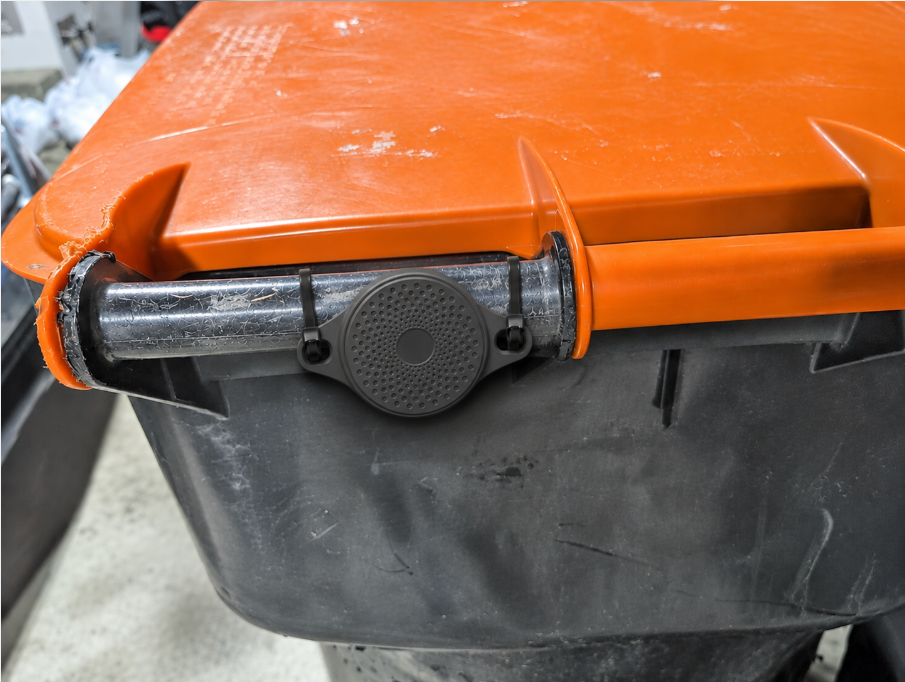
The BLE G-Sensor Beacon serves as the primary sensing device installed on each waste bin.
Its main functions include:
1.Broadcasting a unique identifier for each waste bin.
2.Detecting movement, lifting, and tilting activities.
3.Providing motion-related event data according to configured sensor settings.
4.Supporting low-power operation to reduce maintenance requirements.
The Beacon does not require its own cellular connection. Its data can be collected by nearby vehicle-mounted BLE gateways.
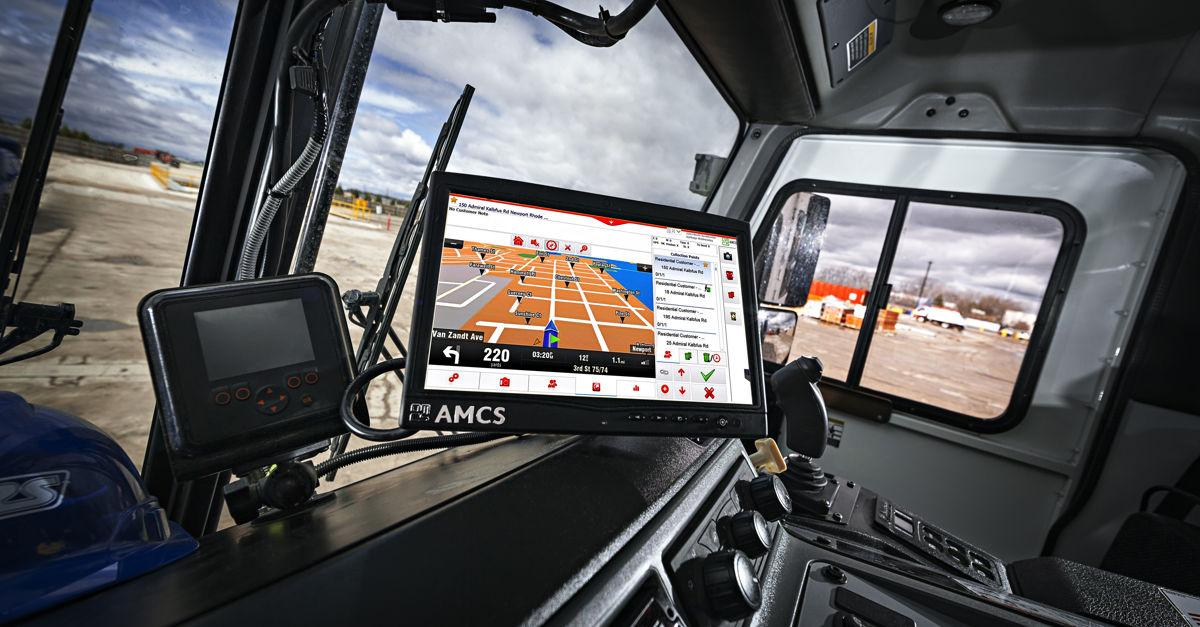
Each collection vehicle is equipped with a BLE gateway and GPS tracking device.
When the vehicle approaches a waste bin, the gateway automatically scans nearby Beacons and collects their device IDs and
available sensor information.
The system associates these readings with the vehicle's location and timestamp before uploading the data to the management platform.
This approach eliminates the need to equip every waste bin with an independent GPS receiver and cellular communication module.
2.3 Management Platform: Centralized Waste Collection Operations

The customer's existing waste management platform consolidates information from waste bins, collection vehicles,
and scheduled tasks.
Operators can use the platform to review collection records, monitor progress across different areas, coordinate
vehicle assignments, and send service notifications.
Conkmile focuses on supplying BLE Beacon hardware, protocol documentation, and engineering integration support,
while GPS tracking, fleet dispatch, and platform software remain part of the customer's existing system.
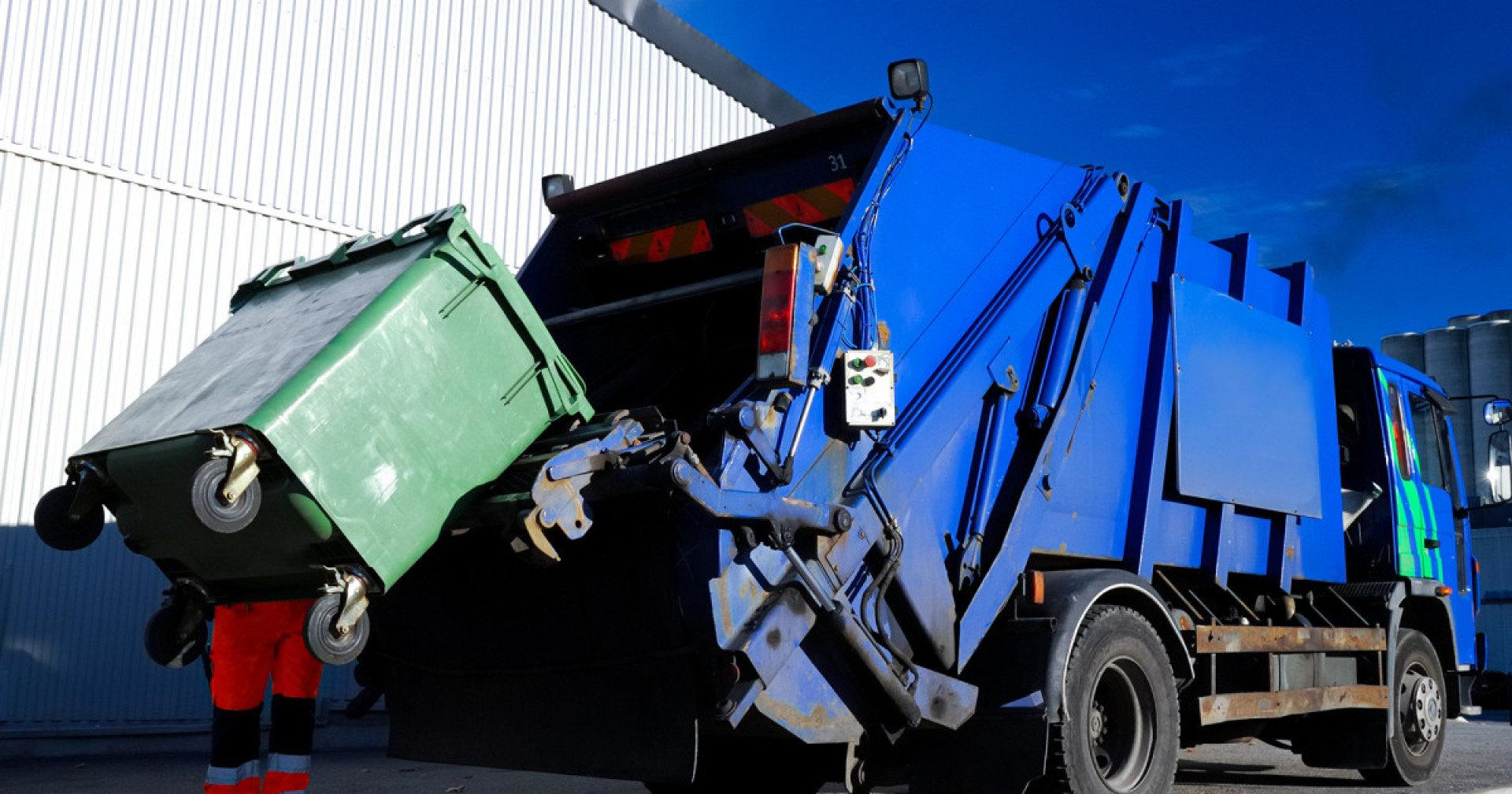
When a collection vehicle enters a designated area, its BLE gateway automatically detects nearby waste bins through their Beacon IDs.
As a bin is lifted and tipped during collection, the built-in G-Sensor detects changes in movement and orientation.
By combining sensor events with the vehicle's GPS location and timestamp, the management platform can determine whether the
recorded activity matches a valid collection operation.

This process helps automate collection records, reducing the need for drivers to manually confirm every completed task.
It also allows operators to investigate potentially missed collections using recorded activity data.
Technical consideration: A G-Sensor detects movement and tilt rather than directly measuring whether a bin is completely empty.
Reliable collection verification therefore requires appropriate event-detection rules and validation under real operating conditions.

Australian cities regularly host sporting events, music festivals, public celebrations, and other large gatherings.
During these events, waste generation can increase significantly within a relatively small area. Waste management
operators may need to deploy additional bins and arrange extra collection services.
With BLE Beacons, temporary waste bins can be quickly registered in the management platform using their unique
device IDs and assigned to designated event areas.
After an event, collection vehicles follow their assigned routes, automatically identifying waste bins and recording
collection-related sensor events.
If temporary bins are relocated, their last detected locations can be estimated using the GPS positions of vehicles
that most recently scanned them.
This helps operators manage temporary bin deployment, collection, and retrieval without installing individual
GPS trackers on every bin.
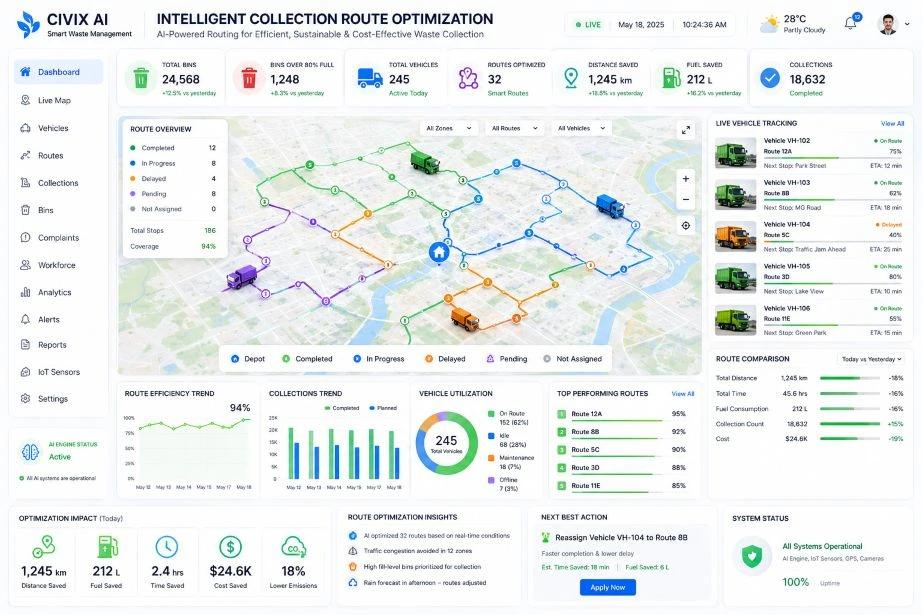
Traditional waste collection schedules are often based on predefined routes and service intervals.
However, when collection demand increases unexpectedly in a particular area, operators may need additional information to
adjust vehicle assignments efficiently.
By integrating BLE Beacon data with vehicle GPS tracking, the management platform can provide better visibility into collection
progress across different service areas.
For example, following a major public event in a city centre, the number of bins and collection tasks may increase significantly.
Through the management platform, operators can review:
1. The number of registered waste bins in each area.
2. Bins with confirmed collection records and those still awaiting verification.
3. Current vehicle locations and collection progress.
4. Priority service areas and outstanding collection tasks.
Using this information alongside vehicle availability, remaining capacity, and operational deadlines, dispatchers can
assign additional collection vehicles to areas requiring greater attention.
The system can also help avoid unnecessary repeat visits to bins with confirmed collection records.
BLE Beacons provide bin identification and motion-related data, while dynamic fleet dispatch is managed by the
customer's platform using GPS, service schedules, and operational information.

Each verified collection event can generate a digital service record containing information such as:
Waste bin ID.
1. Collection date and time.
2. Associated collection vehicle.
3. Service area or GPS location.
4. Detected motion and tilt events.
5. Collection verification status.
Based on predefined business rules, the management platform can send collection completion notifications to waste
management operators, property managers, or other relevant stakeholders.
If a missed collection is reported, operators can review historical records to determine whether the vehicle visited the location,
whether the bin was lifted or tipped, and whether the corresponding service task was completed.
This creates a more transparent and traceable collection management process.
4.Why Use BLE G-Sensor Beacons?
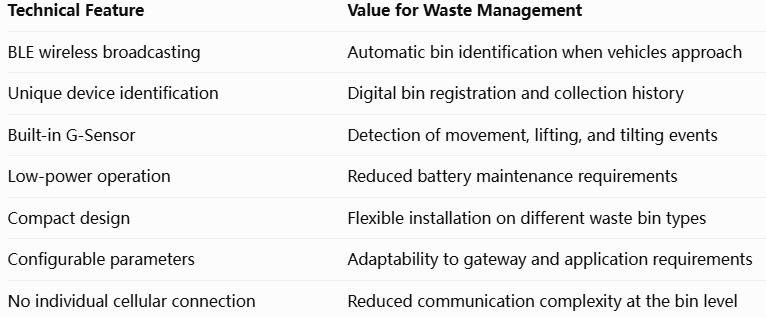
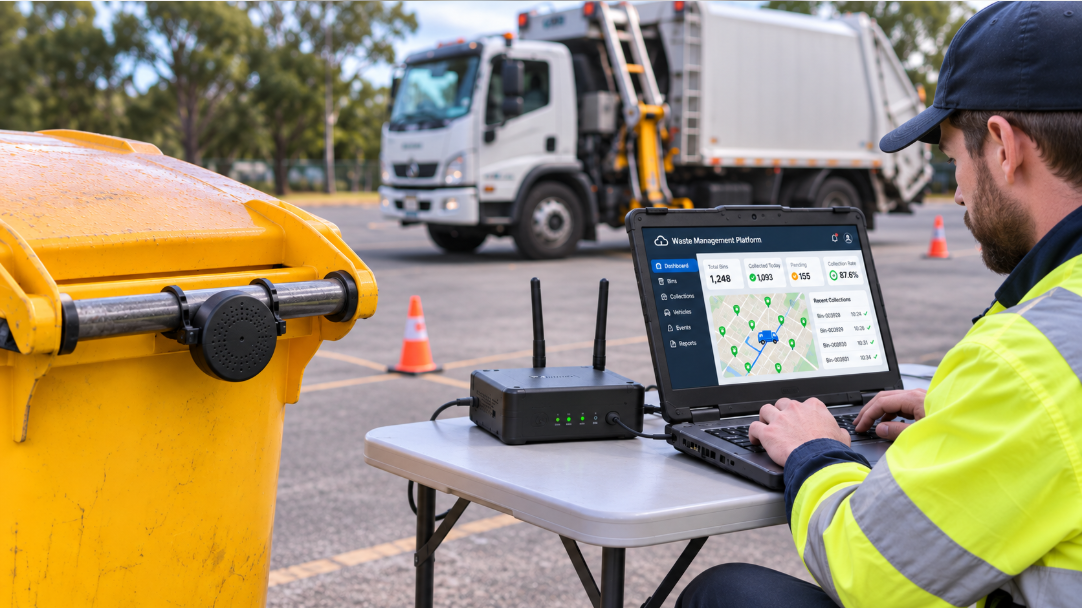
To ensure reliable performance in real waste collection environments, the solution can be implemented in three stages.
A small number of BLE G-Sensor Beacons and vehicle-mounted BLE gateways are used to validate key functions, including:
1.Beacon detection range.
2.Motion and tilt event detection.
3.BLE broadcasting stability.
4.Gateway compatibility and data transmission.
The solution is tested on actual collection vehicles and waste bins to evaluate performance under different operating conditions.
Testing should cover various lifting methods, vehicle speeds, and situations where multiple bins are located close together.
G-Sensor thresholds, broadcasting parameters, and event-correlation rules can then be adjusted to reduce false detections and
missed collection events.
Once the solution has been validated, deployment can be expanded to additional vehicles, waste bins, and service areas.
This stage includes device ID registration, batch configuration, installation, and integration with the customer's management platform.
Long-term operation also requires consideration of battery life, environmental protection, device replacement, and maintenance efficiency.
Traditional GPS tracking shows where collection vehicles have travelled, but it cannot independently verify whether individual
waste bins have been serviced.
By combining BLE G-Sensor Beacons with vehicle-mounted gateways and GPS, waste management operators can connect bin
identification, collection activity, and vehicle movements within a single management system.
This provides a stronger foundation for collection verification, missed-service investigation, and more responsive fleet
scheduling—particularly during large public events or periods of increased collection demand.
The value goes beyond tracking vehicles: it brings greater visibility to the collection work itself.


