

Release time:2023-12-21 Browsed0 order
Integrated Wireless Sensing for Smarter Shopping & Store Operations
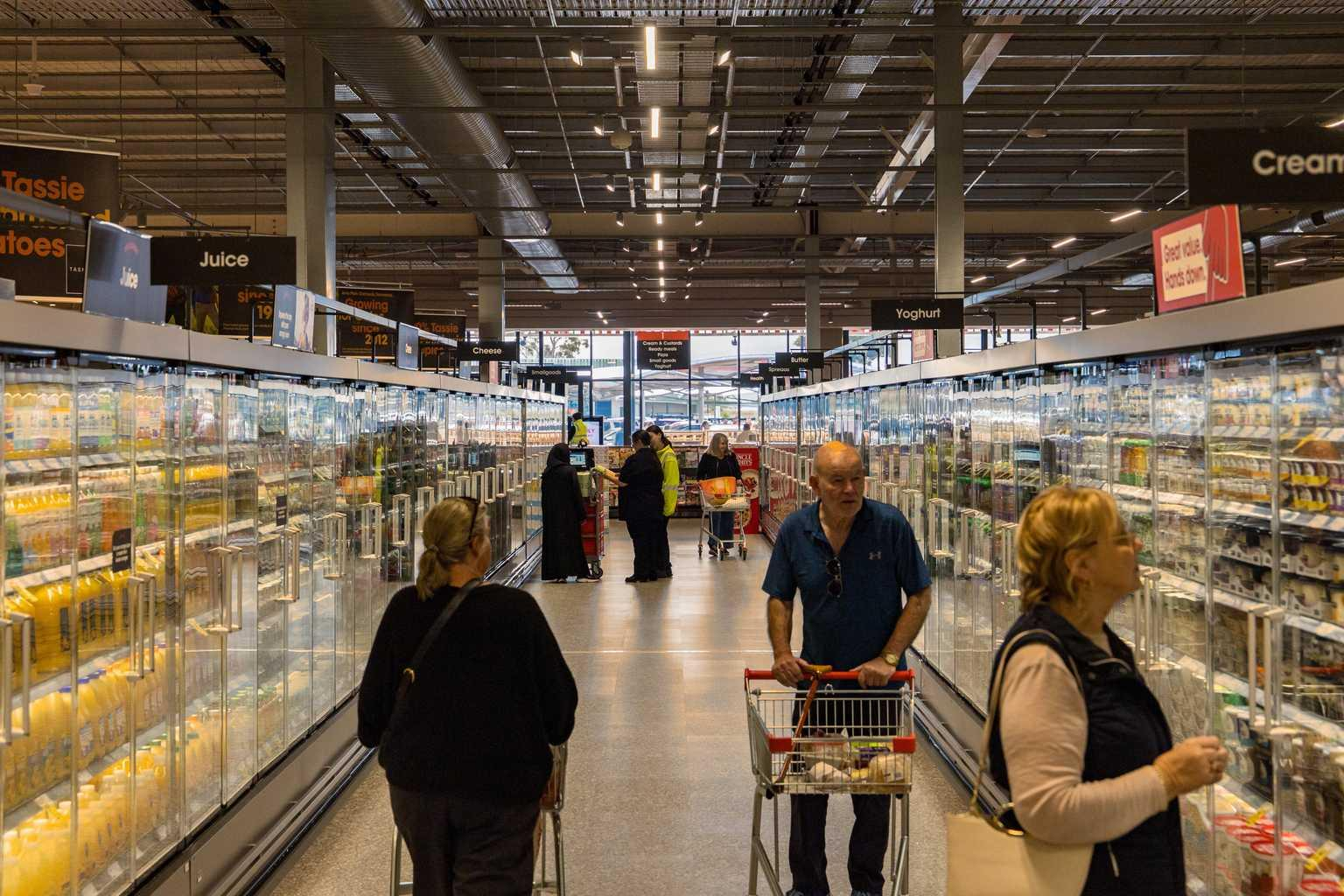
How can supermarkets encourage customers to explore more, discover more products and
spend more — while reducing operational costs and improving efficiency?
For large retailers, attracting customers into a store is only the first step. The real challenge is turning shopping visits into
additional sales opportunities while ensuring that trolleys, equipment, staff and stock move efficiently throughout the store.
Every missed promotion, every trolley left idle in the car park and every delayed service request can represent a lost sales
opportunity or unnecessary operational cost.
Conkmile helps retail system integrators and supermarket chains develop smarter shopping and store management
solutions through flexible wireless sensing hardware and engineering support.
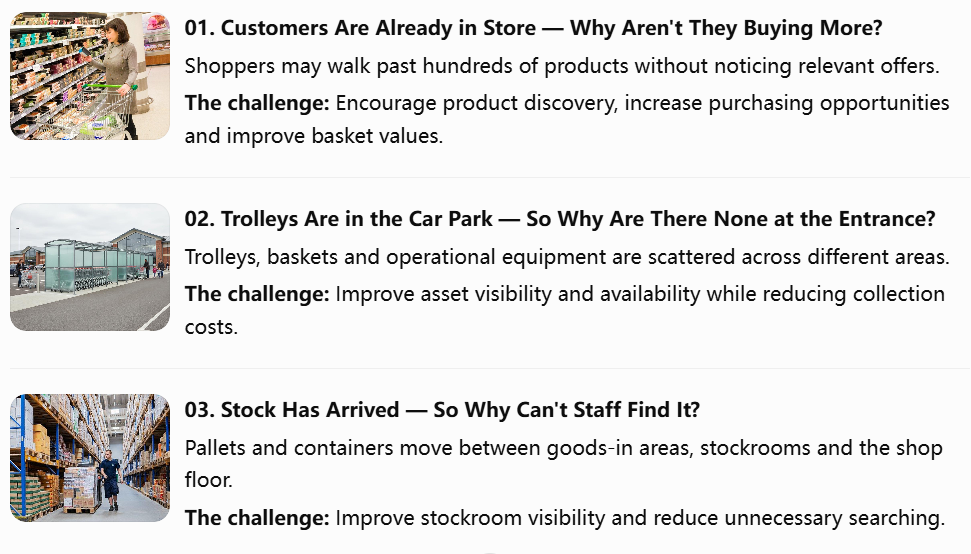
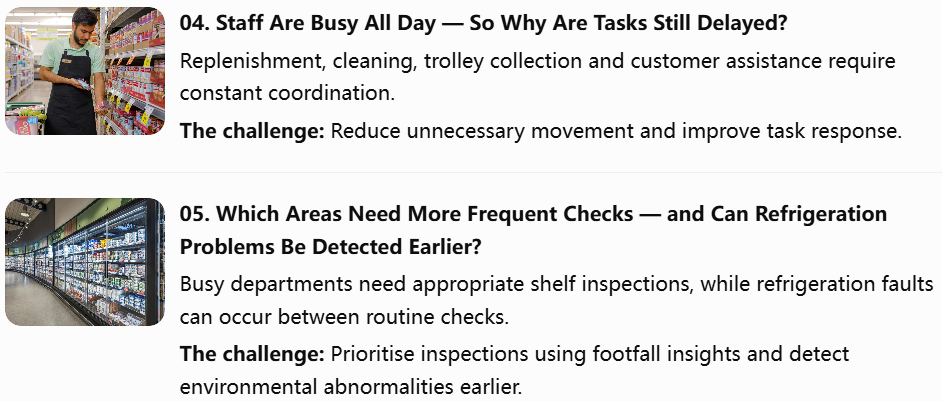
1.Five Key Challenges Facing Modern Retailers
2.Smart Shopping & Customer Experience
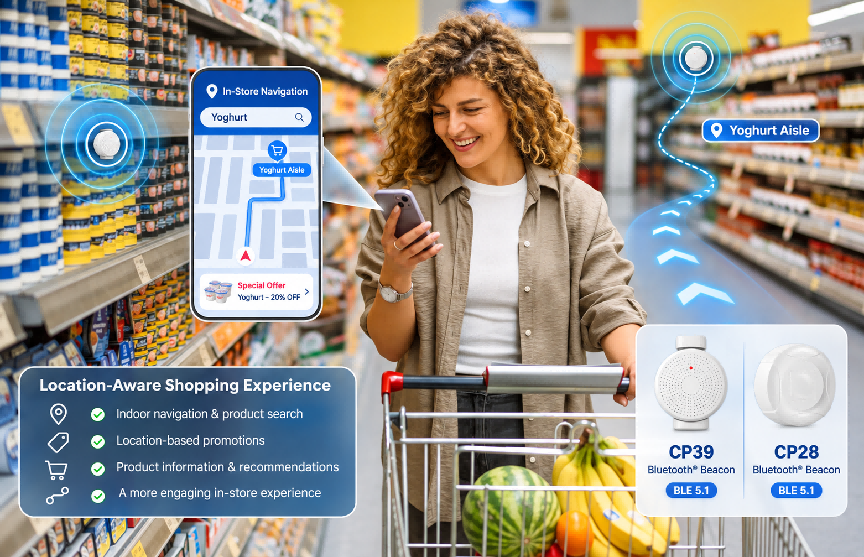
Customers often enter a supermarket with a specific shopping list. However, promotions, product placement and immediate
needs can influence their final purchasing decisions.
Consider a shopper who originally intends to buy bread and eggs. As they approach the yoghurt section, a relevant promotional
offer could encourage them to purchase an additional product.
Location-aware promotions help retailers present relevant information at the moment customers are near particular products.
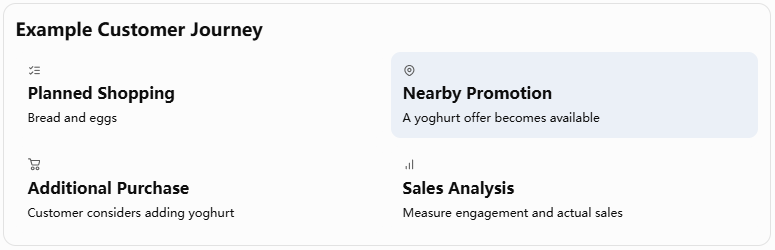
Product Search & Navigation
Help shoppers locate products, find departments and plan convenient shopping routes.
Location-Aware Offers
Present relevant promotions and product information based on the shopper's current area.
Additional services can include loyalty offers, product comparisons, customer assistance and checkout guidance.
Business value: More relevant promotional engagement, greater product discovery, cross-selling opportunities and
improved shopping satisfaction.
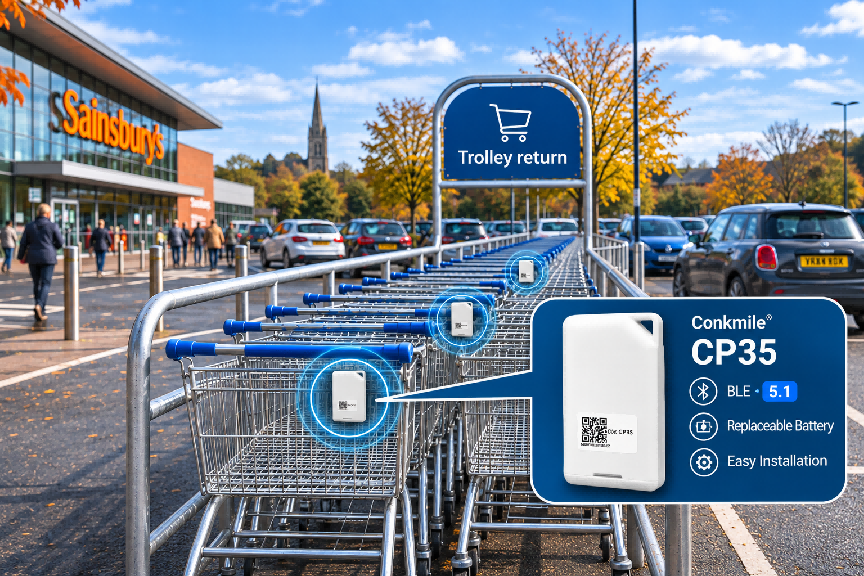
Shopping trolleys frequently remain in car parks after customers have unloaded their purchases. During busy periods,
the entrance may have too few available trolleys even though many are waiting to be collected elsewhere.
By using asset location and movement information, retailers can monitor trolley distribution across designated areas and organise
collection tasks according to demand.
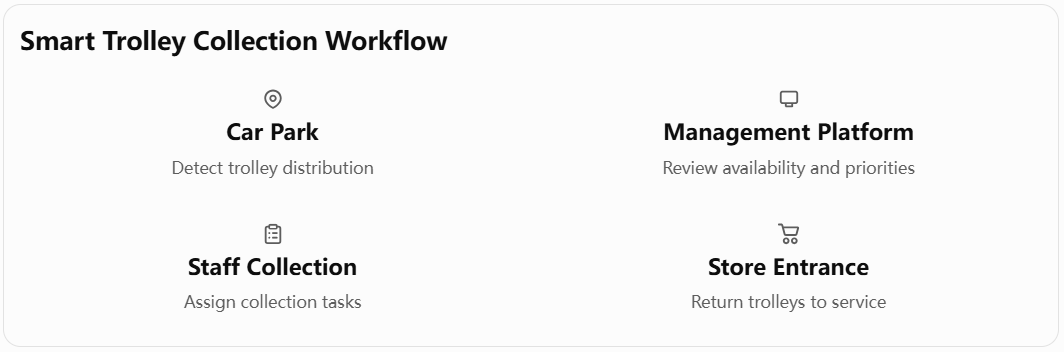
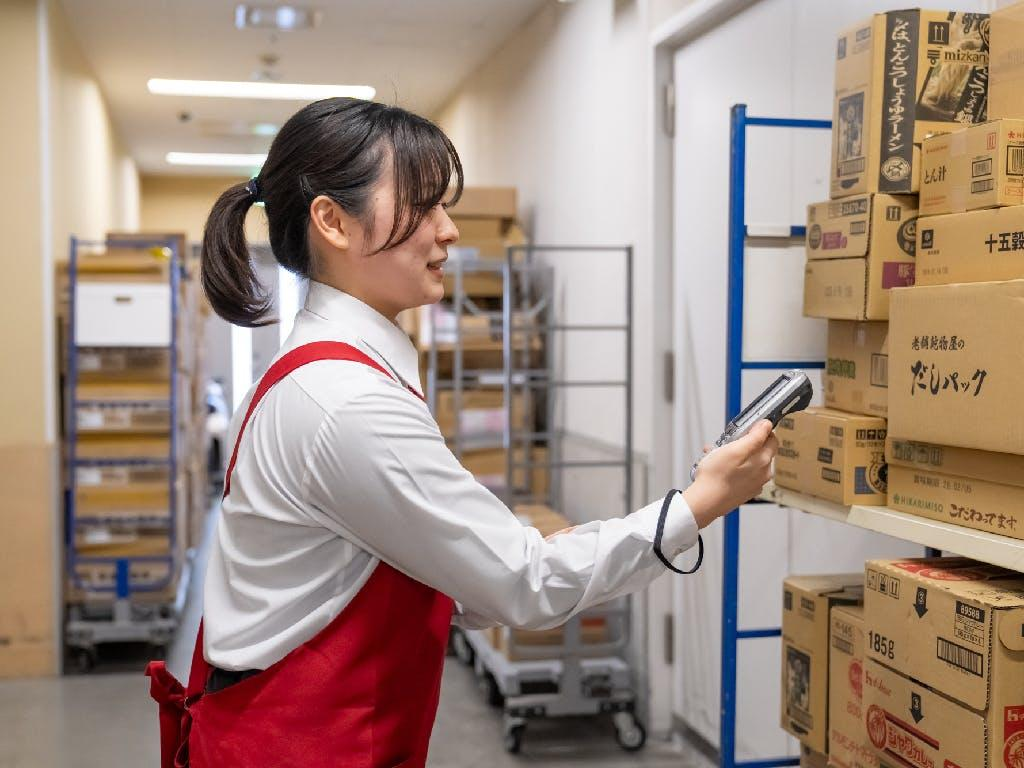
The same approach can support the management of handheld terminals, barcode scanners, cleaning equipment, children's trolleys
and electric mobility shopping trolleys.
Managers can check the last detected location of tagged assets, review movement records and identify unexpected transfers
between monitored areas.
Business value: Improved asset utilisation, reduced searching time, more efficient trolley collection and lower operational overheads.
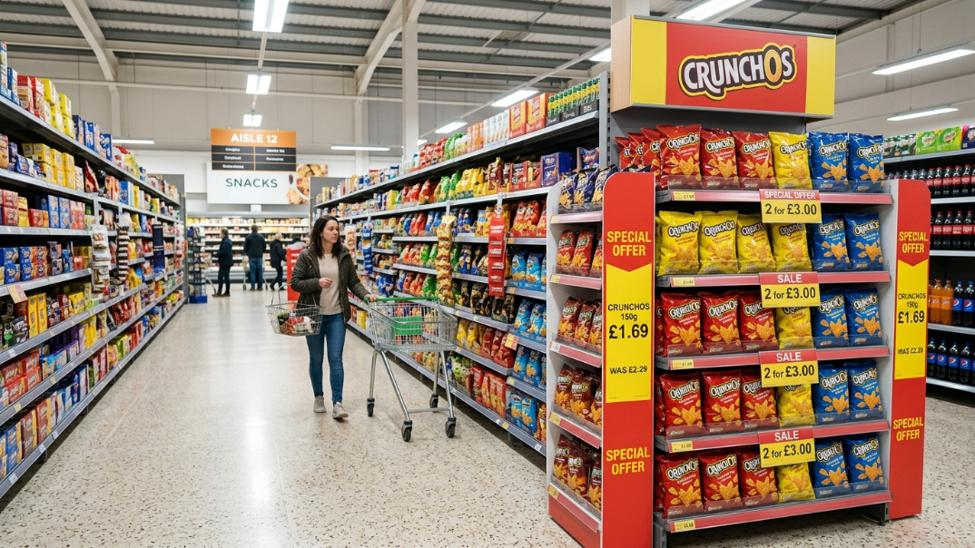
Some supermarket departments attract high footfall, while others receive fewer visitors but may generate stronger sales conversion.
Retailers need to understand whether a product performs well because of customer demand, its location or the effectiveness
of a promotion.
Combining area-level activity, merchandising information and POS data can support better decisions about product placement
and promotional strategies.
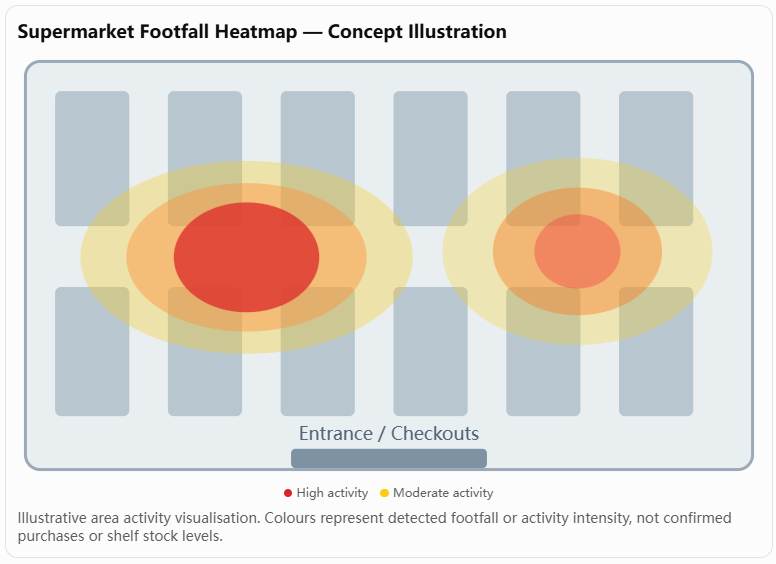
Footfall heatmaps help retailers identify busy areas, compare customer movement patterns and understand how
different departments are used throughout the day.
Areas with consistently high customer activity may require more frequent shelf inspections.
For example, if a drinks department becomes particularly busy at weekends, staff can be directed to check product
availability and shelf presentation more frequently.
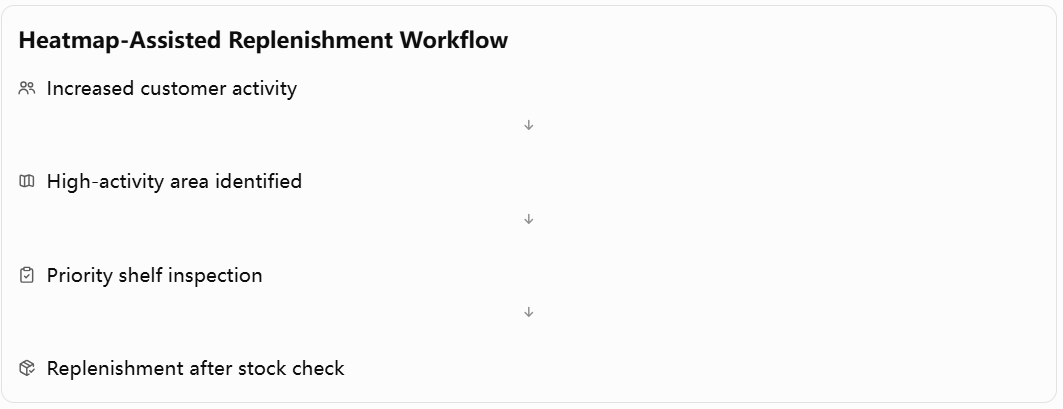
Business value: Better prioritisation of shelf inspections, improved merchandising decisions and more informed replenishment planning.
BLE-based heatmaps do not directly detect empty shelves. Actual stock availability must be confirmed through staff inspections or
suitable inventory monitoring systems.
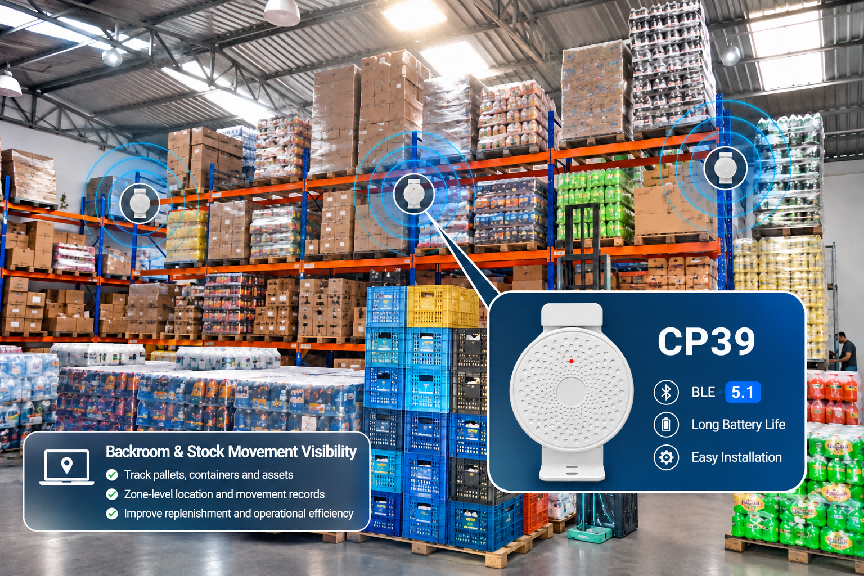
The Stock Has Arrived — So Why Are Staff Still Searching for It?
Large supermarkets receive substantial volumes of goods every day, with stock moving from goods-in areas to backrooms
and eventually onto the shop floor.
Using BLE Beacons and wireless gateways, retailers can monitor tagged pallets, returnable containers and grouped
consignments as they move between designated areas.
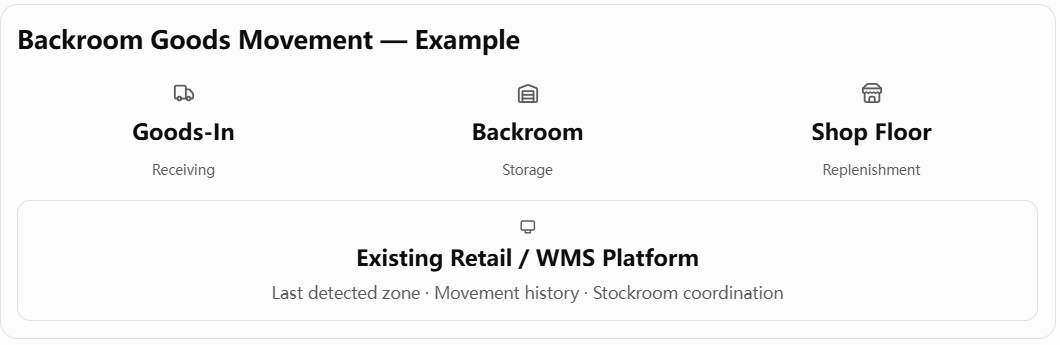
For example, when a tagged drinks consignment moves from the goods-in area to the backroom and then to the shop floor,
the system can record these zone transitions.
Business value: Less time spent searching for goods, improved movement visibility and better coordination between stockroom
and shop-floor teams.
BLE provides location information for tagged handling units; detailed SKU quantities remain dependent on existing inventory systems.
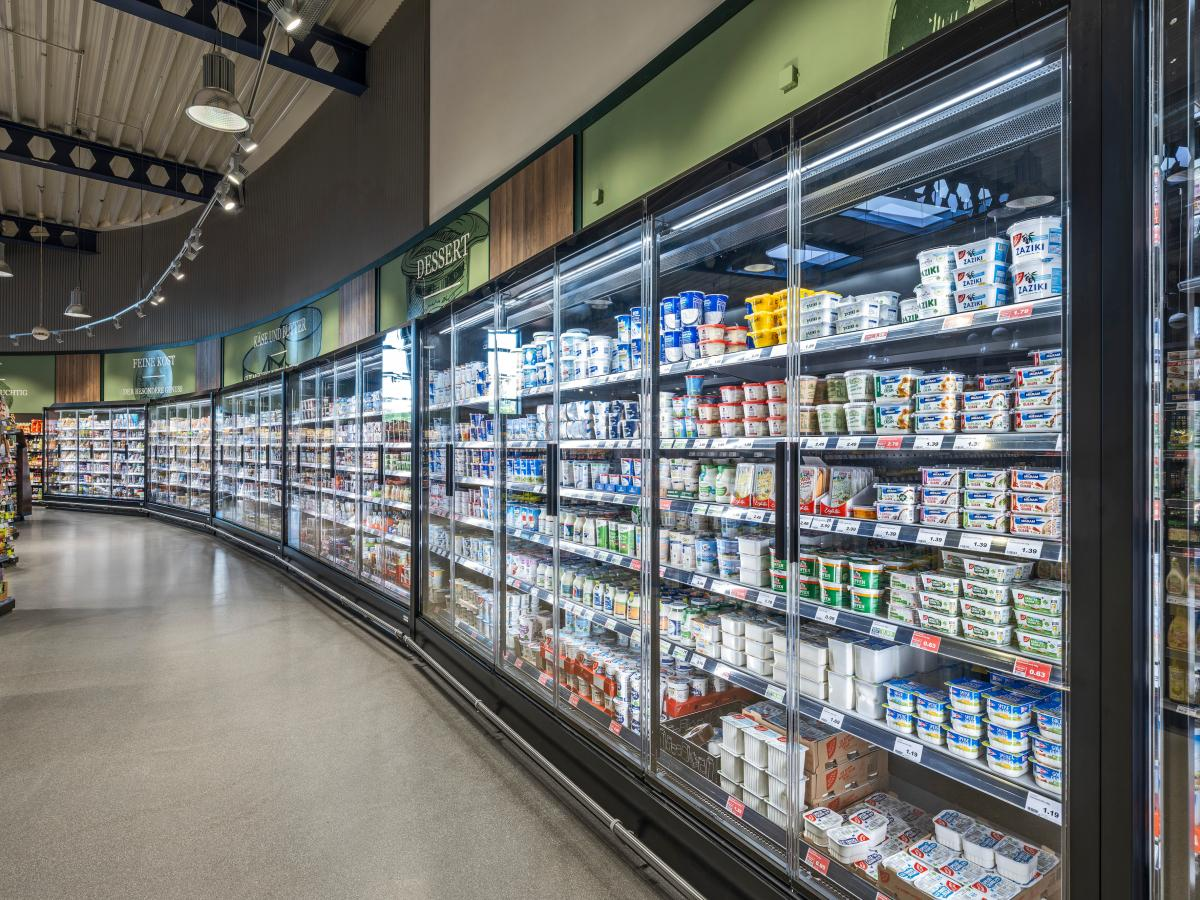
Refrigerated displays and cold rooms must operate within suitable environmental conditions.
Temperature fluctuations, doors left open and equipment faults may go unnoticed between routine manual inspections.
Environmental monitoring devices can collect temperature, humidity and door-status data, with alerts generated
when configured limits are exceeded.
Temperature & Door Monitoring
Identify abnormal storage conditions and doors left open for extended periods.
Alerts & Historical Records
Review environmental trends, abnormal events and staff response records.
Business value: Reduced risk of avoidable food waste, less reliance on manual checks, faster response to abnormalities
and better support for food safety procedures.
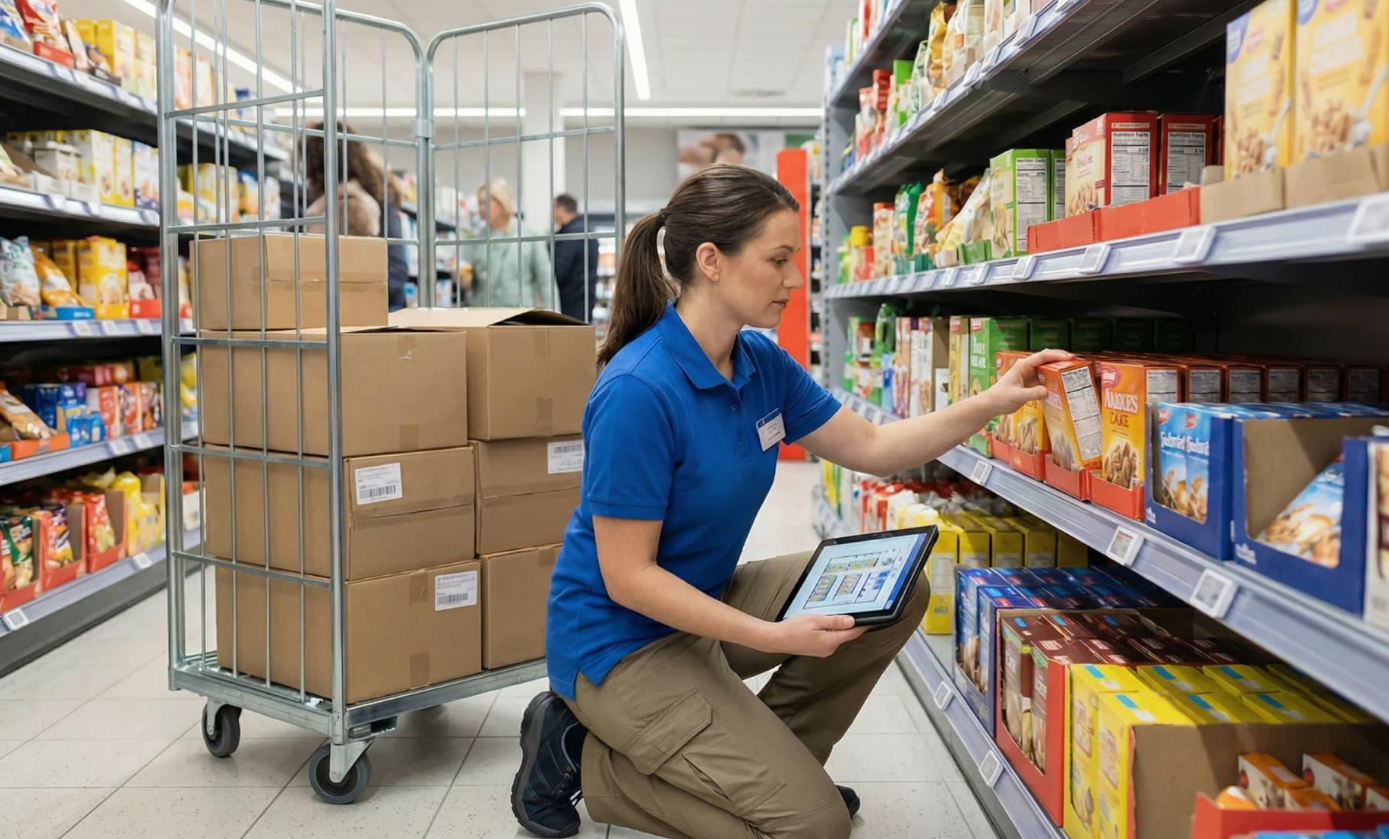
Large supermarkets manage trolley collection, replenishment, cleaning, equipment checks and customer assistance throughout the day.
When managers lack visibility into task locations and progress, staff may spend unnecessary time moving between
departments or repeating inspections.
By combining staff zone information with task management, retailers can coordinate work according to operational priorities,
responsibilities and availability.
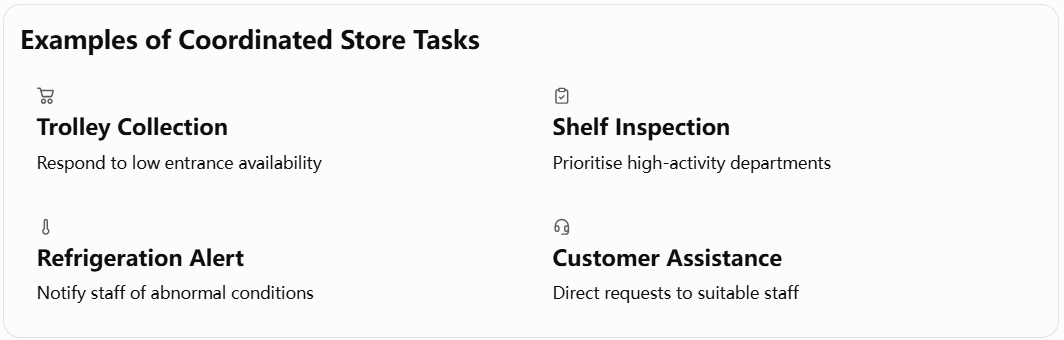
Task acknowledgement, response times and completion records can provide managers with a clearer understanding of
operational performance.
Business value: Reduced repetitive work, faster task response, more efficient staff coordination and improved customer service.
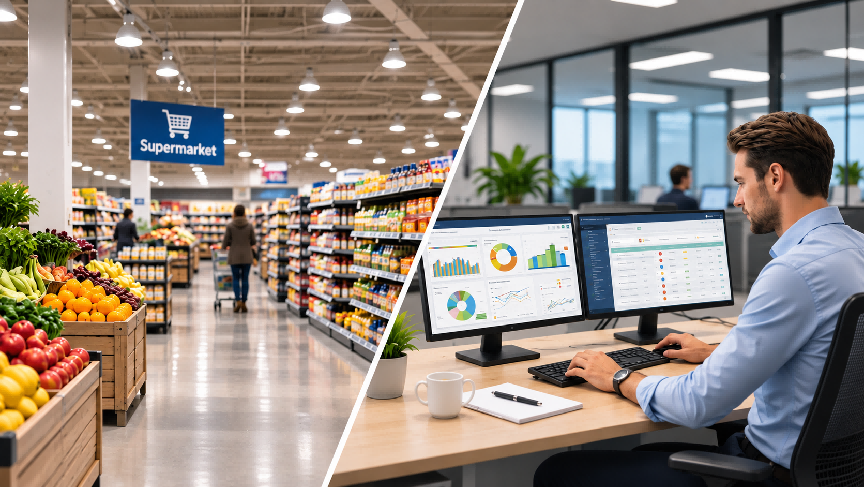
Smart shopping, asset tracking, footfall analysis, stockroom management, environmental monitoring and staff
coordination should not become isolated systems.
These applications can share relevant sensing infrastructure and exchange data with the retailer's existing business platforms.
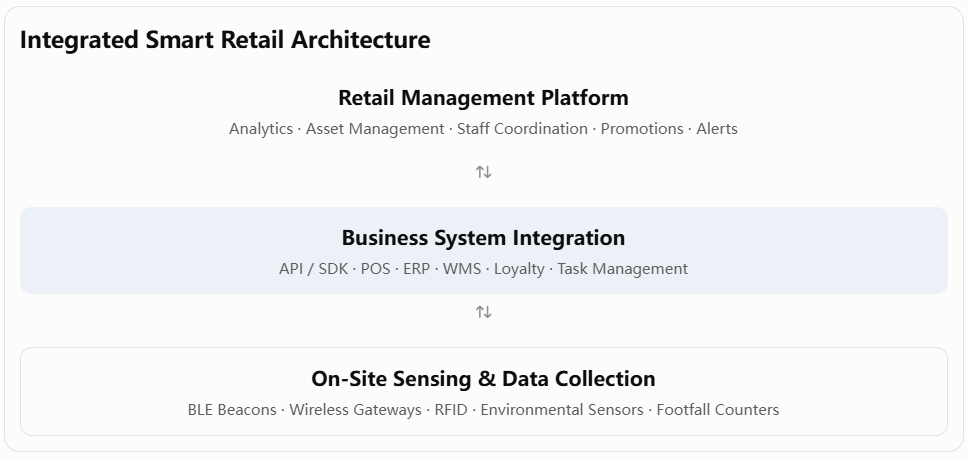
Conkmile focuses on wireless sensing hardware, firmware customisation, communication interfaces and engineering support.
We work with retail system integrators and customers' existing software platforms to support the development of
application-specific solutions.
A shared integration framework can also help supermarket chains compare trolley availability, customer activity,
goods movement, staff response and refrigeration events across multiple stores.
Every supermarket chain has different operational priorities and existing systems.
Rather than introducing every application at once, retailers and system integrators can begin with a focused proof of
concept (POC) and validate the functions most relevant to their operations.
For example, a project may start with trolley zone monitoring, location-aware promotions, footfall analytics,
backroom goods movement or refrigeration alerts.
Once the initial use case has been validated, additional applications can be integrated into the retailer's existing
management environment.
Conkmile supports customers with flexible POC hardware options, parameter configuration, firmware development
and ongoing engineering assistance.
From initial validation to larger-scale implementation, our goal is to help retail system integrators build reliable
wireless sensing solutions that fit their projects and integrate with their existing platforms.


